

Lenovo 83N3004BUS Computers Reviews

Lenovo 83N3004BUS Computers
$463.99
Lenovo4.44.4(1 reviews)
$463.99
Adorama
Online Purchases Cashback
Updated Aug 15Amazon
General Cashback
Updated Sep 21Best Buy
Chromebooks Cashback
Updated Sep 18Historical price trends tracked across multiple e-commerce platforms
$463.99
Best priceAmazon · Sep 17
$463.99
LiveAmazon · Current
Side-by-Side Comparison
6 similar products · scroll horizontally to browse
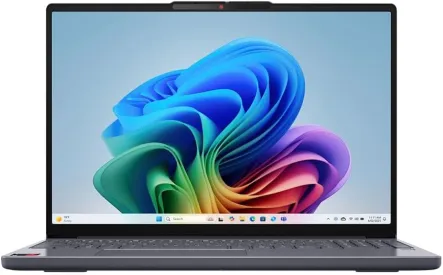
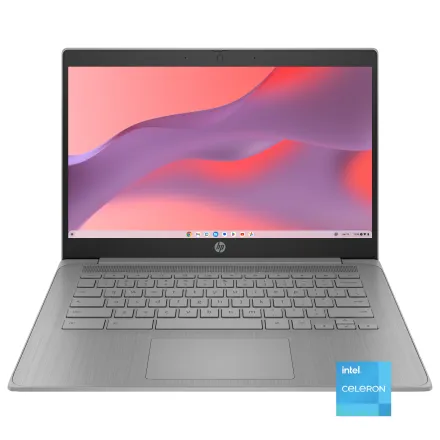

Lenovo 83N3004BUS Computers
1.Powered by the Snapdragon X processor and 16GB of RAM, this laptop handles daily tasks smoothly while offering up to 14 hours of battery life.
2.At $579.99 with 1TB of storage, it's an excellent value for students and professionals seeking an affordable ARM-based Windows laptop.
4.0
1 reviews
👍 Pros
👎 Cons
Keywords
User Voices
LappyFan_2024
Powerhouse Snapdragon With All Day Battery Life - Just a Couple Quirks